Western Turquoise Leather Coquet Bow Review for Embroidery Projects
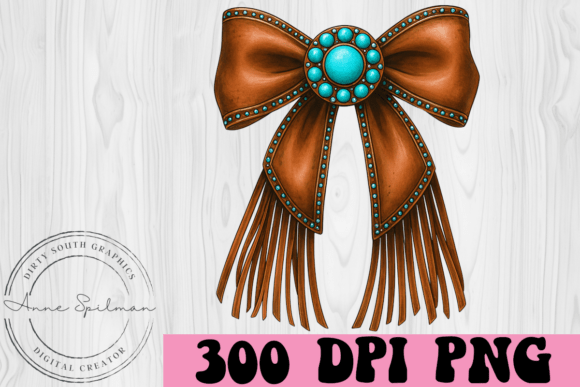
As an experienced designer and embroidery product reviewer, I always take a step back before diving into any new design. It's not just about how it looks on the screen—it’s about how it will translate to fabric, what kind of projects it suits best, and whether it adds value to both my work and my clients’ expectations. The Western Turquoise Leather Coquet Bow is a 300 dpi PNG illustration with a transparent background and a minimum size of 2500 pixels on one side. Let me walk you through my real-world evaluation.
First Impressions: Mood and Aesthetic
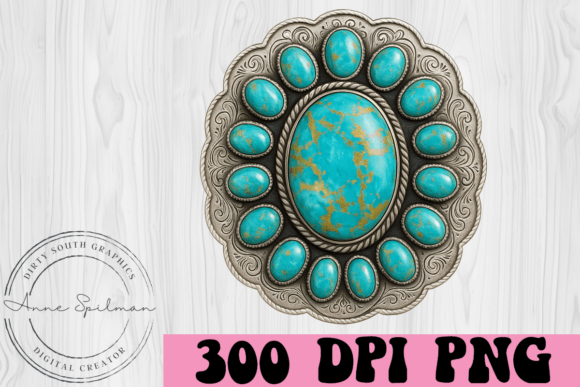
The moment I opened the Western Turquoise Leather Coquet Bow file, I felt its character. This design has a vintage yet stylish vibe, perfect for someone looking to add a touch of bohemian flair or western charm to their embroidery project. The bow is rendered in rich turquoise tones against a soft leather texture—this gives it a tactile feel even in digital form.
Visually, it's clean but detailed enough to make an impression. The shape is symmetrical and elegant, with subtle shading that mimics depth and dimension. The layout is straightforward, which makes it versatile for placement on various items. However, as a designer, I noticed that while the overall look is appealing, there are some intricate areas that could pose challenges when translated to stitching.
Real-Life Application Scenarios
I imagined using this design on several common embroidery projects:
- Tote bags: The bow would look fantastic as a decorative accent on a custom canvas tote, especially paired with a floral pattern or a simple text label like "Cowgirl Spirit."
- Sweatshirts: Placed near the hemline or as a sleeve embellishment, it brings a western-inspired edge without overpowering the garment.
- Baby clothes: For a more playful use, I could see it embroidered in pastel shades onto a onesie or sleeper, though I’d be cautious about stitch density for delicate fabrics.
- Embroidered patches: On a leather jacket or denim vest, this design could serve as a standout patch, especially if printed or heat-applied instead of stitched directly.
- Apron designs: Adding it near the waistband or on the pocket area could give a handmade apron a unique visual anchor.
- Holiday gifts: As part of a festive holiday embroidery kit, it complements western-themed decorations or personalized gift tags.
In each case, the key factor is how well the design adapts to the material and purpose of the finished product. While the Western Turquoise Leather Coquet Bow offers strong visual appeal, it requires thoughtful application to ensure it performs well in real-life conditions.
Performance in Embroidery Projects
Since this is a PNG image, not an SVG or CUT file, I had to consider how it might be digitized for embroidery. The level of detail in the bow suggests that a skilled digitizer would need to carefully manage stitch density and thread colors to maintain the texture and shading without overwhelming the fabric.
On smooth cotton or linen, the design holds up beautifully, allowing for clear outlines and a defined center. But when I thought about using it on a stretchy knit t-shirt, the potential issues became clear: the fine lines may distort, and the stitch tension could cause puckering. That’s why it’s crucial to test this design on actual materials before committing to a full production run.
For sweatshirt embroidery, where stability is less of a concern due to thicker fabric, the design works well. The contrast between the turquoise and the surrounding white space helps it stand out, making it suitable for both front-and-center placements and smaller accents. In terms of handmade products, this graphic can enhance the perceived quality and uniqueness of items like cross-stitched wall art or embroidered pillows.
Where to Use Carefully
Despite its charm, there are limitations to keep in mind. Here are some situations where I'd recommend careful consideration:
- Small hoop sizes: The bow’s size and detail require adequate space to avoid overcrowding and loss of clarity.
- Textured or thin fabrics: These can obscure the finer elements of the design unless the right stabilizer is used.
- Stretchy materials: The design may lose definition or cause distortion if not properly adjusted for fabric elasticity.
- Dark backgrounds: The turquoise color may fade visually unless paired with high-contrast thread colors or backlighting effects.
- Curved surfaces: When applied to caps or curved seams, the symmetry of the bow may be affected unless the design is mirrored or adapted accordingly.
- Frequent-wear items: Due to the possible presence of dense stitch areas, items like tea towels or aprons should be tested for durability and wear resistance.
Visual Appeal and Customer Reaction
From a customer perspective, the Western Turquoise Leather Coquet Bow evokes a sense of nostalgia and elegance. It’s the kind of detail that makes a product feel curated rather than mass-produced. Whether it's a personalized gift or a small shop product, this design can elevate the presentation significantly.
Its color palette is versatile enough for both seasonal and year-round items. In holiday embroidery, it could pair nicely with red or gold accents for a festive look. In nursery decor, it brings a subtle sophistication that appeals to modern parents who love eclectic styles.
However, I’ve found that customers often have high expectations when they see a detailed design online. If the final embroidered version doesn’t match the original graphic due to poor digitization or unsuitable fabric choices, it can impact product value and customer trust. So, transparency in the process and testing are essential.
Professional Considerations
For those selling custom apparel or commercial embroidery projects, this design can help establish brand consistency across a range of products. Its cohesive style fits well with other illustrations in the same theme, helping to build a recognizable brand identity.
When used in printable mockups or digital product previews, the transparent background allows for seamless integration into lifestyle images. It’s particularly useful for Etsy sellers and craft business owners who want to showcase their products professionally without investing in photography.
As for giftability, the design is attractive and meaningful. It’s ideal for boutique branding or personalized baby items, where aesthetics play a big role in buyer engagement. Still, I’d suggest using it sparingly—if it appears too frequently on a product, it can lose its impact.
Design Notes for Embroidery Artists
Here are some practical tips based on my experience working with similar graphics:
- Test on scrap fabric first: Especially if you're planning to sell the finished product or use it in a commercial setting.
- Check thread color contrast: The turquoise may not pop as much on certain fabrics. Try different thread combinations to find the best match.
- Review stitch density: Dense stitching can affect the drape and comfort of garments. Adjust as needed for your target audience.
- Confirm hoop size requirements: Make sure your machine supports the necessary dimensions for this design.
- Inspect small details: The bow has delicate features that could get lost if the digitization isn’t precise.
- Use proper stabilizer: Especially important on thinner or stretchier materials to prevent distortion during stitching.
- Compare light and dark fabric backgrounds: This will help determine visibility and aesthetic balance.
- Test in black and white: To assess how the design reads without color, which is helpful for grayscale printing or monochrome embroidery.
- Check licensing before selling: Since this is a graphics-based design, confirm that it’s allowed for commercial use if you plan to turn it into a machine embroidery design or include it in digital product bundles.
Final Thoughts from a Designer’s Perspective
The Western Turquoise Leather Coquet Bow is a solid choice for designers who appreciate the blend of style and substance. It’s not just another clipart; it’s an illustration that can become part of your signature look. With the right preparation and adjustments, it can perform admirably in both personal and commercial embroidery projects.
But remember, no design is one-size-fits-all. Always take time to evaluate how it interacts with your chosen materials and intended audience. As an embroidery designer, your attention to these nuances will set your finished product apart and reinforce your reputation for quality and professionalism.
If you’re an Etsy seller, a handmade shop owner, or someone creating design assets for resale, this graphic could be a valuable addition to your portfolio. Just make sure to follow the practical steps outlined above to ensure it meets your standards—and your customers' expectations.