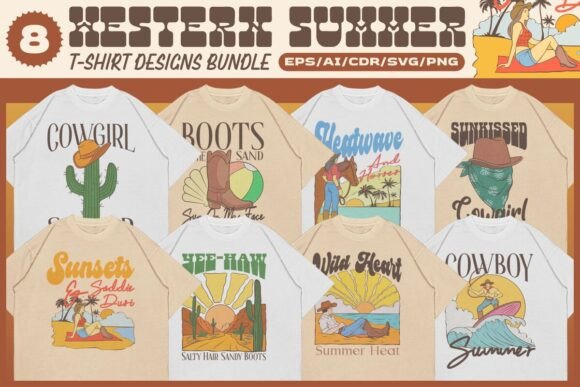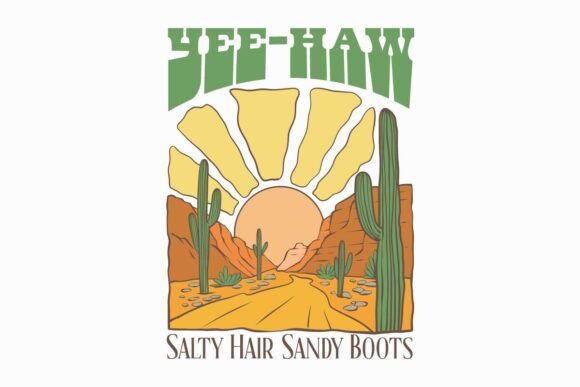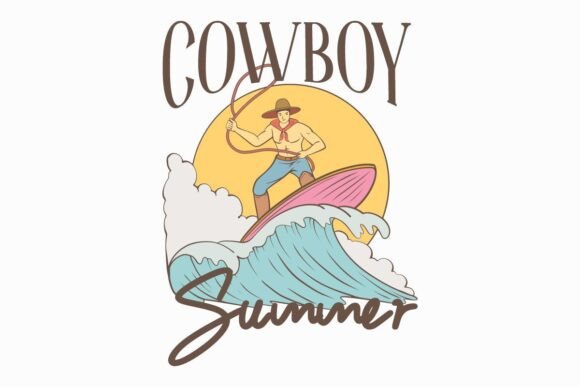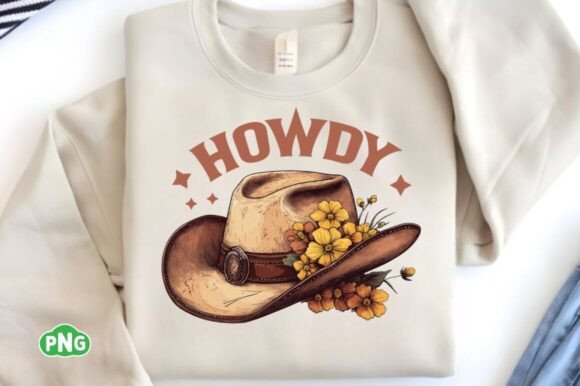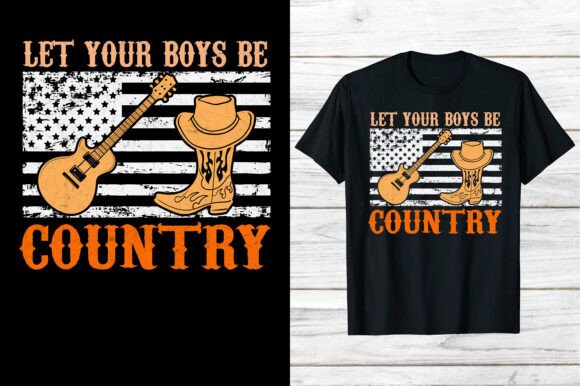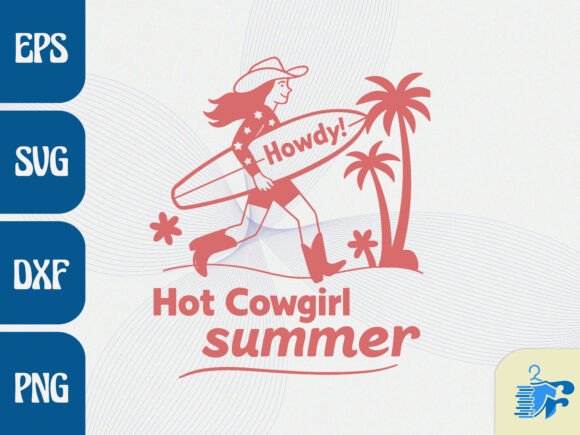
Vintage Western CowGirl T Shirt
When I evaluate a machine embroidery design, I am rarely looking for just "pretty." I am looking for viability. Can this design survive the hoop? Will it hold up after twenty wash cycles? Does it translate well from a digital screen to a physical textile without losing its soul? Recently, I spent some time reviewing the Vintage Western CowGirl T Shirt design pack. It falls under the broad categories of T-Shirt Designs and Graphics, but in the world of embroidery, those labels matter less than execution. This review is about whether this specific asset deserves a spot in your digitizing queue or your Etsy shop inventory.
First Impressions: Mood and Visual Personality
The immediate takeaway from the Vintage Western CowGirl T Shirt design is its nostalgic warmth. The aesthetic leans heavily into rustic charm, which is currently dominating the handmade market. It doesn’t scream for attention with neon colors or aggressive modern typography; instead, it whispers through texture and silhouette. For an embroiderer, this is crucial. A design that relies on subtle tonal shifts and classic shapes tends to age better than trendy, fleeting motifs.
The layout feels balanced, suggesting it was created with the constraints of the embroidery hoop in mind. It avoids the common pitfall of overcrowding the center, leaving enough negative space for the fabric to breathe. When you look at the design assets, you can sense a clear intention: this is meant to be worn, not just displayed. It has the visual weight of a statement piece but the subtlety of a boutique brand mark. This duality makes it incredibly versatile for small business owners who want to create products that feel personal yet professional.
Real-World Application: Where This Design Shines
I often ask myself, "Where would I actually use this?" If I were preparing a batch of custom gifts for a holiday craft fair, the Vintage Western CowGirl T Shirt would be my top contender. Here is how it performs in specific scenarios:
- Custom Apparel and Sweatshirts: The primary use case is obvious, but don’t limit yourself to standard tees. This design looks exceptional on heavyweight cotton sweatshirts or chambray button-downs. The vintage theme pairs naturally with the slightly worn-in look of these fabrics. It adds a layer of authenticity that synthetic blends often miss.
- Tote Bag Design: Canvas tote bags are a staple for the Etsy seller or craft vendor. Placing this design on the front pocket of a canvas bag creates a functional art piece. The durability required for a bag aligns well with the robust nature of western themes. It suggests utility and style, appealing to customers who value both.
- Embroidered Patch and Caps: For the small shop product maker, converting this graphic into a patch or applying it directly to a structured cap is a smart move. The strong outlines typical of western designs stitch cleanly on curved surfaces like hats, provided the stabilizer is chosen correctly.
- Baby Embroidery and Nursery Decor: There is a surprising softness to this design that works well for baby items. Imagine this on a muslin swaddle or a nursery pillow cover. It offers a gender-neutral alternative to traditional florals, giving parents a unique option for a personalized gift.
- Kitchen Towels and Aprons: In the realm of home goods, this design brings a farmhouse vibe to tea towels and aprons. It fits seamlessly into the current trend of cozy, rustic kitchen aesthetics. It is a holiday embroidery favorite because it evokes feelings of comfort and tradition.
Critical Analysis: Stitch Density and Fabric Compatibility
As a designer, my skepticism kicks in when I see complex details. The Vintage Western CowGirl T Shirt appears to have moderate detail. This is good news for stitching clarity. High-density fills can sometimes cause puckering, especially on lighter fabrics. However, if this design utilizes a mix of satin stitch for outlines and fill stitch for background elements, it will likely produce a crisp, raised texture that customers love.
One area requiring careful consideration is the thread colors. Vintage designs often rely on muted tones—mustard yellows, dusty blues, faded reds. On a white t-shirt, these might look washed out. On a black shirt, they might lack contrast. I recommend testing this design on both light and dark backgrounds before committing to a large production run. You may need to adjust the thread palette to ensure the design pops. If the original file includes a PNG file transparent background, use it to mock up different color combinations digitally first.
Another factor is the fabric texture. While this design works beautifully on smooth cottons and poly-cotton blends, textured fabrics like heavy denim or boucle wool might obscure the finer details. Always test on scrap fabric that matches your final product’s hand-feel. If you are working with stretchy knits, ensure you are using a cut-away stabilizer to prevent distortion during wear.
Where to Use With Caution
No design is perfect for every situation. There are specific contexts where the Vintage Western CowGirl T Shirt might struggle:
- Small Hoop Sizes: If the design is scaled down too much for tiny hoops (like 4x4 inches), fine details may become muddy. The eye needs space to appreciate the western motif. If the design feels cramped, consider moving it to a larger placement area or simplifying the elements.
- Dense Stitch Areas: If the design contains large blocks of solid fill, it may become stiff and uncomfortable against the skin, particularly on baby clothes or sensitive areas like the back of the neck. Check the stitch density and consider reducing it if possible.
- Dark Fabric on Light Threads: Conversely, if you are using light threads on dark fabric, ensure the underlay stitches are sufficient to hide the base fabric. Otherwise, you may see "show-through," which looks unprofessional in a finished product.
- Curved Surfaces: While caps are a great application, the curvature can distort straight lines. Ensure the design is digitized with proper curve compensation, or plan to place it on a flat panel before sewing it onto the hat.
Professional Notes for the Embroidery Designer
Before you upload this to your machine or list it as a digital download, there are practical steps you must take. First, inspect the embroidery file structure. Look for unnecessary jumps and trims. A clean code means faster stitching and fewer thread breaks. Second, verify the licensing terms. Even though the product description mentions receiving a ZIP folder with SVG, DXF, PNG, and EPS files, you must confirm whether these licenses allow for commercial use of the finished physical goods. Many digital embroidery file sellers distinguish between personal use and commercial rights.
Additionally, think about your presentation. For an Etsy seller or creative entrepreneur, the way you showcase the design matters as much as the design itself. Create printable mockups that show the Vintage Western CowGirl T Shirt on diverse models and in various settings—a coffee shop, a barn dance, a casual brunch. This helps buyers visualize the finished product in their own lives. Use the SVG file to create vector-based marketing materials that scale without loss of quality.
Finally, always test for washability. Embroidery should enhance the garment, not degrade it. After stitching, wash the sample according to care instructions. Does the design pill? Do the threads fade? If the Vintage Western CowGirl T Shirt holds up well, it becomes a trusted asset in your portfolio. If it fails, you save yourself reputation damage by catching the issue early.
Final Verdict
The Vintage Western CowGirl T Shirt is a strong candidate for anyone looking to add a touch of rustic elegance to their craft business. It bridges the gap between hobbyist charm and boutique professionalism. Its versatility allows it to shine on apparel, accessories, and home decor alike. By paying attention to fabric choice, thread contrast, and stabilization, you can transform this graphic into a high-value item that customers will cherish. It is not just a design; it is a foundation for a successful product line, provided you approach it with the technical diligence it deserves.