Turquoise Spade Western: A Practical Embroidery Design Review
As an experienced embroidery designer and product reviewer, I often find myself evaluating graphics with a critical eye—not just for their visual appeal, but for how they translate into real-world stitched projects. The Turquoise Spade Western is a PNG illustration that immediately caught my attention with its bold color and stylized form. Let’s take a closer look at what this design brings to the table and where it might shine—or where it could fall short.
First Impressions and Visual Personality
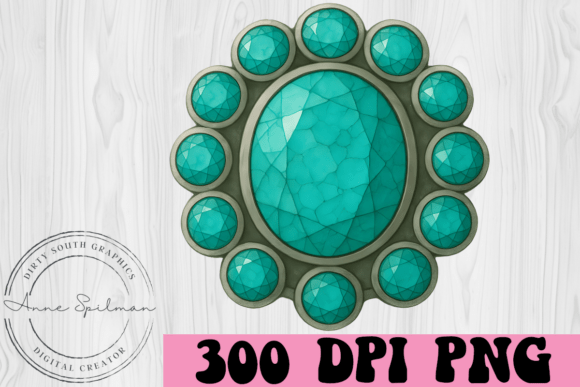
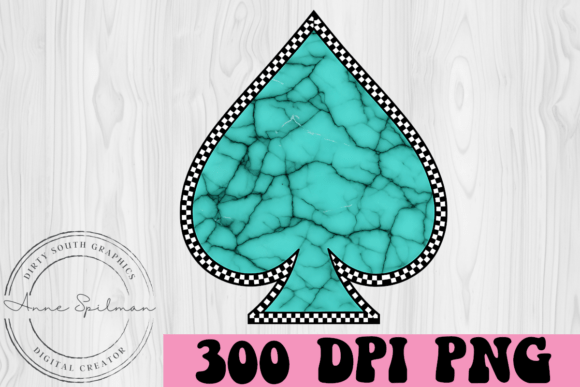
The Turquoise Spade Western design presents a strong, western-inspired aesthetic with a vibrant turquoise hue that stands out against any background. Its transparent .png format gives it a clean, modern edge, which is especially useful when you want the design to blend naturally with fabric textures or other embroidered elements. At over 8 inches in size (with a resolution of 300 dpi), the graphic feels substantial and detailed enough to be impactful on larger items like tote bags, sweatshirts, or even aprons.
Visually, it has a playful yet professional feel. The spade is stylized but retains enough realism to avoid looking too cartoonish. This balance makes it versatile for both casual and boutique-style products. It’s not overly intricate, which is a plus if you’re looking for something that won’t get lost in dense stitching or smaller applications.
Real-World Applications and Project Suitability
Let’s imagine a scenario: You’re creating a custom embroidered sweatshirt for a client who loves western themes and wants a unique touch for their brand. The Turquoise Spade Western would make a great candidate here. The size allows it to sit comfortably on the chest area without overwhelming the garment. Its saturated color will pop well on light-colored fabrics, and the shape is classic enough to resonate with a wide audience while still feeling fresh and original.
This design also works well as a printable mockup element for digital product sellers. Whether you're showcasing a handmade product or a commercial item like a custom apparel listing, the clarity and scale of the image ensure your mockups look sharp and realistic.
Where to Use With Caution
While the Turquoise Spade Western is undeniably attractive, there are a few scenarios where it might not perform optimally. For instance, if you plan to use it in a small hoop size—say, for a patch or a tiny detail on a cap—the level of detail may not hold up well under close inspection after stitching. The same goes for stretchy or thin fabrics, where high stitch density can cause puckering or distortion.
Also, because this is a raster image (.png) rather than a vector-based file like SVG or DXF, resizing beyond the provided dimensions may result in pixelation. So, if you need a version that fits a specific hoop size, be sure to check whether a scalable version exists before finalizing your project. On dark fabrics, the turquoise may appear muted unless you use contrasting thread colors or add shading details manually.
Design Performance and Stitching Clarity
In terms of stitch density, this design seems manageable for most machine embroidery setups, but it does have some areas that require careful planning. The outer edges are likely to be handled with satin stitches, while the inner parts may use fill or running stitches depending on how you convert it into an embroidery file. Because it's a flat image, converting it to an embroidery format will involve outlining shapes and assigning stitch types manually. That said, the bold lines and clear contours make this process relatively straightforward.
If you're using this for a personalized gift or a holiday embroidery project, the design adds a sense of individuality and charm. However, keep in mind that the turquoise color may not always be available in all thread brands, so you may need to adjust or substitute to maintain the intended look.
Key Considerations for Use
- Test on scrap fabric first: Especially important if you're planning to use it on textured or stretchy materials.
- Check thread color contrast: Make sure the turquoise translates well to the chosen fabric and thread combination.
- Review stitch density: Some areas may need adjustment to prevent pulling or puckering, particularly on thinner textiles.
- Confirm hoop size requirements: If your design needs scaling, ensure it fits within your machine’s capabilities.
- Inspect small details: Even though it’s large-scale, the fine lines in the spade’s outline should be tested for visibility post-stitching.
- Use proper stabilizer: A good backing material can help preserve the shape and clarity of the design during embroidery.
- Test in black and white: To evaluate how it looks without the influence of color, especially for monochrome embroidery options.
- Compare light and dark fabric backgrounds: Turquoise can behave differently depending on the fabric tone.
- Verify licensing: If you're selling finished items or digital assets, confirm the design’s usage rights to stay compliant.
Impact on Product Value and Branding
When used correctly, the Turquoise Spade Western can elevate the perceived value of your handmade product. Its western motif adds a sense of character and nostalgia, making it ideal for branding in niche markets like cowboy-themed shops, rustic boutiques, or western-inspired lifestyle brands. As an embroidered patch or part of a nursery decor set, it can become a signature element in your design portfolio.
For Etsy sellers and small shop product creators, the design offers a distinctive look that can boost buyer engagement. Customers appreciate unique, high-quality visuals that stand apart from generic patterns. When applied to items like tote bag designs or pillow cover projects, it enhances the overall presentation and helps build brand consistency.
Giftability and Customer Trust
Personalized gifts are big business—and for good reason. People love items that reflect their personality or interests. The Turquoise Spade Western has a strong visual identity that makes it a great fit for holiday gifts, wedding gifts, or even birthday gifts. The turquoise shade adds a splash of color that feels both thoughtful and stylish, helping customers trust that the product was made with care.
On baby clothes or baby embroidery items, the design could work as a subtle accent. But since it lacks softness in its lines, I’d recommend using it sparingly or pairing it with more delicate motifs. In commercial embroidery settings, it’s best suited for items like aprons, western-themed shirts, or branded patches where a bolder statement is desired.
Design Notes for Creative Entrepreneurs
- Layer compatibility: Avoid placing this design over complex patterns or layered garments where it might lose definition.
- Detailed corners: Inspect the design closely for sharp angles or curves that may require reinforcement.
- Dense stitch areas: Be mindful of how these affect the texture and wear of the fabric over time.
- Decorative accents: Think about how it complements other elements in a multi-design project.
- Recognition and professionalism: The design contributes to a polished look that supports a premium handmade presentation.
Final Thoughts for Designers and Crafters
The Turquoise Spade Western is a compelling addition to your design assets if you're working on sweatshirt embroidery, custom apparel, or craft business items. It carries a distinct visual personality that can enhance product recognition and customer connection. However, like any design, it requires thoughtful application to ensure it performs well across different materials and uses.
Remember, no matter how appealing the Illustrations and Graphics are on screen, the true test comes after stitching. Take the time to experiment with thread color, fabric type, and stitch adjustments to see how the design holds up in your hands. And always double-check licensing and technical specifications before selling anything that includes it.
Used wisely, Turquoise Spade Western can become a go-to element in your creative toolkit, adding a touch of flair and authenticity to everything from embroidered patches to commercial embroidery runs. Just don’t let it speak for itself—let your expertise guide how it shines on the finished product.