★★★★☆4.5(429 reviews)
Vintage Cowboy Meets Highland Cow in Embroidery Design
First Impressions: A Bold Blend of Styles
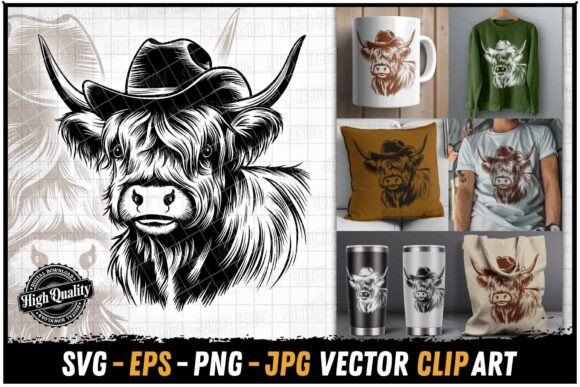
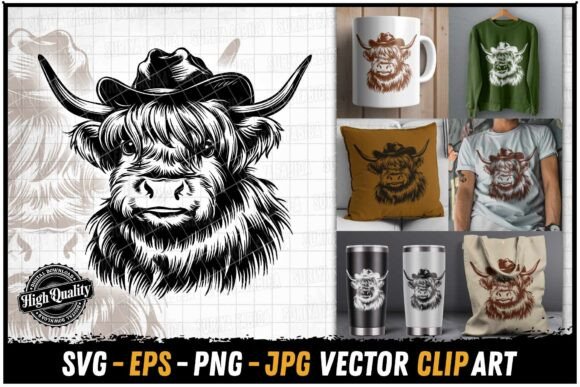
When I first unzipped the Vintage Cowboy Highland Cow Portraits design package, I was struck by its unique visual character. The artwork presents a whimsical collision between Western and Scottish iconography—cowboy hats paired with Highland cow faces. This kind of playful contrast is rare and immediately grabs attention. As an embroidery designer who values both originality and adaptability, I appreciate how the design balances nostalgia with novelty.Real-Life Use Scenarios
Let’s say you’re an Etsy seller preparing a line of custom embroidered tote bags for fall markets. The Vintage Cowboy Highland Cow Portraits could be the perfect fit. When stitched onto a medium-weight cotton canvas tote, the design adds character without becoming cluttered. The bold outlines and soft fill areas suggest that it will hold up well in sweatshirt embroidery, especially if you adjust the stitch density slightly for knit fabrics. For handmade product lines, such as aprons or kitchen towels, this design can serve as a focal point. Imagine a tea towel with a subtle background texture—this portrait could pop with the right thread color choices. Similarly, if you're designing a nursery decor item, like a pillow cover or blanket, the whimsy of the design might appeal to parents looking for something fun and memorable. As a commercial embroidery project, it could be used as a decorative accent on boutique branding items, such as staff uniforms or branded patches for packaging. The embroidery file format options (SVG, PNG, JPG, EPS) are versatile enough to support both digital previews and physical stitching, which is essential for maintaining brand consistency across your craft business offerings.Design Strengths and Potential Challenges
One of the standout features of this design is its ability to work well as an applique design. The clean lines and limited detail make it suitable for layered stitching techniques, where you can add depth using different thread weights or textures. For example, using metallic thread for the hat brim or satin stitch for facial features can elevate the final look significantly. However, there are some considerations. If you plan to use it in a small hoop size, you may need to scale it down carefully to avoid losing clarity. The design also includes some intricate facial details that could struggle on textured fabric or stretchy materials. On dark fabric backgrounds, the contrast might diminish unless you choose thread colors that stand out. Another thing to watch for is stitch density. Since the design uses a mix of fill stitch and running stitch, adjusting these settings based on your fabric type is crucial. Too dense and it risks puckering; too loose and the image may appear incomplete. Testing on scrap fabric before committing to a full run is always a good idea, especially when working with high-value projects like holiday gifts or wedding gifts.Visual Appeal and Customer Reaction
From a visual standpoint, the Vintage Cowboy Highland Cow Portraits have strong design assets that can enhance the perceived value of any finished product. It’s the kind of design that people remember—whether it’s a baby item with a cheeky twist or a custom apparel piece that stands out at a craft fair. I’ve found that customers respond positively to designs that blend unexpected themes, and this one does that beautifully. It has the potential to become a signature look for your shop, helping with brand recognition and buyer engagement. As a digital embroidery file, it allows for quick mockup creation and presentation to clients or buyers, making it ideal for printable mockups and online listings. But let’s not forget about practicality. While the design is visually engaging, it needs to be stitched clearly. You’ll want to ensure that each element is distinct, especially the cow features and cowboy accoutrements. Using a black-and-white test mockup can help you spot any issues with thread colors or stitch direction before you go live with your handmade product line.Designer Notes for Real Project Use
- Test on scrap fabric first: Especially if you're planning to use it on stretchy or thin materials.
- Check thread color contrast: Make sure the chosen palette works against the intended fabric background.
- Review stitch density for different applications—adjust for t-shirts, sweatshirts, or tote bags accordingly.
- Confirm your hoop size requirements. Since the ZIP doesn’t specify, it’s best to open the SVG in your software and check dimensions.
- Inspect small details like facial expressions or hat embellishments—they might need extra stabilizer or careful stitching to maintain their definition.
- Use proper stabilizer for delicate or curved surfaces like caps or patches.
- Test in black and white to evaluate how the design reads without color.
- Compare how it looks on light and dark fabric backgrounds—some elements may lose impact depending on the base color.
- Verify whether the design supports both personal and commercial use. Licensing terms aren’t included, so contact the creator or platform for confirmation before selling finished items or digital products.
Where This Design Shines
The Vintage Cowboy Highland Cow Portraits truly shine on mid-to-large sized items. Think of it as the centerpiece for a tote bag design or a patch on a denim jacket. Its charm and personality make it ideal for personalized gifts, such as embroidered onesies or custom pillows. If you're into holiday embroidery, consider adding a festive border or seasonal text around the portrait. The vintage style naturally lends itself to retro holiday themes, and the Illustrations provided offer a solid foundation for such adaptations.A Practical Takeaway for Creative Entrepreneurs
In summary, the Vintage Cowboy Highland Cow Portraits bring a unique flavor to your embroidery project lineup. They’re not just graphics—they’re conversation starters. Whether you're an apparel decorator, handmade shop owner, or a digital product seller, this design offers a fresh approach to traditional subjects. It’s important to remember that no matter how appealing a Graphics file looks digitally, its performance in real-world embroidery depends on several factors. Thread choice, fabric type, and stitch settings all play a role in the final outcome. But with the right preparation and testing, this design can become a valuable part of your portfolio. So, before you load it into your machine or share it in your Illustrations collection, take the time to understand its structure and limitations. Let it speak through your work, and don’t be afraid to tweak it for better results. After all, the best embroidery designs are those that adapt to your creative vision.
⬇️ Download Free
Free download · No sign-up required
🔗 You Might Also Like
Illustrations
As a designer who frequently works with machine embroidery designs , I’ve review...
Illustrations
When I sit down to evaluate a new digital asset for my studio, I am rarely looki...
Illustrations
As an experienced designer and embroidery product reviewer, I always look for a ...
Illustrations
When I first saw Cute Goose with Pink Cowboy Hat , it immediately struck me as a...
Illustrations
As an embroidery designer and product reviewer, I often find myself evaluating d...
