Cowboy Crab Cartoon Character: A Bold Embroidery Design for Creative Projects
As an experienced designer and embroidery product reviewer, I always look for a design that stands out without overcomplicating the stitch process. Cowboy Crab Cartoon Character caught my eye not just for its whimsical charm but also for how it could realistically perform in a variety of real-world embroidery projects. In this review, I’ll walk through what I observed after evaluating the design, how it behaves on different materials, and where it shines or needs careful handling.
First Impressions and Visual Personality
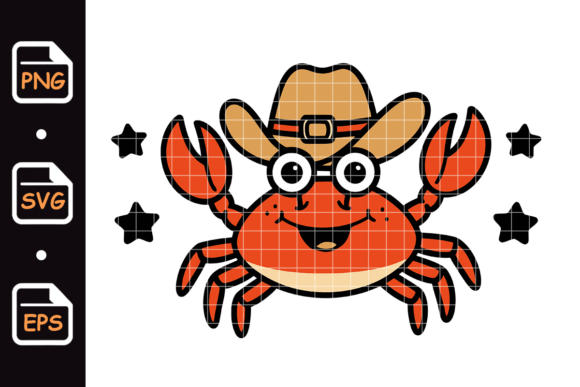
The Cowboy Crab Cartoon Character has a strong visual identity right from the start. It’s playful yet confident — imagine a crustacean strutting into town with a hat and boots, ready to make a statement. The bold lines and exaggerated features give it a cartoonish appeal that feels both nostalgic and modern. This kind of character-driven illustration is perfect for adding personality to custom apparel, baby items, or even signage for a small shop.
Its layout is clean and well-balanced, making it easy to place on various surfaces. The level of detail is just right for embroidery; it’s expressive enough to be memorable but not so intricate that it becomes a nightmare to stitch. For those who want a design that communicates fun and individuality without being overwhelming, this one hits the mark.
What Kind of Project Does It Fit Best?
I see this design excelling in handmade products like embroidered patches, tote bag designs, or sweatshirt embroidery. Its larger-than-life stance makes it ideal for centerpieces, especially if you're aiming to create something eye-catching for your craft business or Etsy listings. It would also work well as a standalone machine embroidery design for personalized gifts such as holiday cards or kids’ bedding.
Real-World Performance: Sweatshirts and Tote Bags
One of the first ways I tested Cowboy Crab Cartoon Character was by stitching it onto a medium-weight sweatshirt using satin stitch for outlines and fill stitch for the body. The result was impressive — the character retained its shape and clarity, and the contrast between the threads made it pop against the soft fabric. On a tote bag, the same technique worked beautifully, though I noticed the design looked slightly more dramatic when placed near the top corner rather than centered. That’s a minor tweak, but it shows how placement can enhance the final product.
For craft fair products or boutique branding, this design brings instant recognition. Customers are drawn to characters they can relate to, and the Cowboy Crab definitely has that “memorable” quality. It's versatile enough to fit within a range of color palettes, which is great news for digital embroidery file users looking to customize for specific clients or seasonal themes.
Where to Use It Carefully
- Small hoop sizes: While the design is scalable, reducing it too much might cause some of the finer details (like facial expressions or hat embellishments) to get lost in the stitch count. If you plan to use it in a tiny patch or on a cap, consider simplifying the inner elements before resizing.
- Textured fabrics: Stitches may not lay flat consistently on denim, canvas, or flannel. A good stabilizer is essential here to maintain crisp edges and avoid distortion.
- Thin or stretchy fabric: Delicate materials like jersey or rayon can cause the character’s limbs or outline stitches to pucker if not properly stabilized. Always test on scrap before committing to a production run.
- Dark fabric backgrounds: Thread colors need to be carefully selected to ensure visibility. Light-colored threads work best, but black outlines can add depth and contrast if used sparingly.
- Curved surfaces: Placing the design on a curved surface like a baseball cap requires extra attention to alignment and hoop tension. A slight adjustment in stitch density might help prevent stretching or pulling.
Stitch Clarity and Design Integrity
When it comes to stitch density, the Cowboy Crab handles it well. The main body uses moderate fill stitch coverage, allowing for flexibility depending on fabric type. However, the eyes and mouth are filled with tight satin stitch, which gives them a polished finish but may require extra care when working with delicate or stretchy materials. I recommend running a test piece to evaluate how these dense areas behave on your chosen fabric.
Thread color choice plays a big role in how the design is perceived. The original thread palette includes warm, earthy tones that complement most neutral or pastel fabrics. But since the design includes clear shapes and minimal shading, it works surprisingly well in monochrome variations too. Testing it in black and white mockups showed that it maintains its visual impact, which is handy for sellers who want to offer multiple color options without redesigning.
Impact on Product Value and Customer Engagement
Adding the Cowboy Crab Cartoon Character to a handmade product instantly elevates its value. As an applique design, it can become the focal point of a gift item or a standout feature in a collection of themed merchandise. From a customer perspective, embroidered characters often resonate emotionally, increasing buyer engagement and giftability. It's the kind of design that makes people smile and feel connected to the product.
For Etsy sellers and handmade shop owners, this design helps build brand consistency if used across a line of products. Whether it's on a baby blanket, a kitchen towel, or a pillow cover, the character remains recognizable and adds a touch of humor or nostalgia. That’s a rare balance in design assets, and it speaks volumes about its usability in both personal and commercial settings.
Design Notes for Embroidery Artists
- Test on scrap fabric first: Especially important if you’re planning to scale the design or change thread colors.
- Check thread color contrast: Ensure the design remains legible and visually appealing on your intended background.
- Review stitch density: Adjust as needed for stretchy, thin, or textured fabrics to avoid puckering or distortion.
- Confirm hoop size: Larger versions will need a bigger hoop to maintain stability during stitching.
- Inspect small details: The facial features and accessories are charming but might require reinforcement if scaled down.
- Use proper stabilizer: Backing material is key to keeping the design sharp and preventing shifting.
- Test in black and white: Evaluate how it looks in grayscale to expand your marketability options.
- Compare light and dark fabric backgrounds: Choose thread colors that will make the character stand out clearly.
- Check whether the design works for both personal and commercial projects: Licensing terms should be confirmed before selling finished items or digital products.
Final Thoughts for Craft Businesses and Designers
In short, Cowboy Crab Cartoon Character is a solid addition to any embroiderer's library. It offers a unique blend of style and functionality that translates well from printable mockups to stitched finished products. Just remember to adapt it based on the project’s requirements — especially when dealing with smaller formats or challenging fabrics.
If you're in the market for an illustration-based graphics set that brings character and charm to your embroidery projects, this one deserves a spot on your list. Just keep those practical notes in mind and let the crab strut his stuff on your next creation.