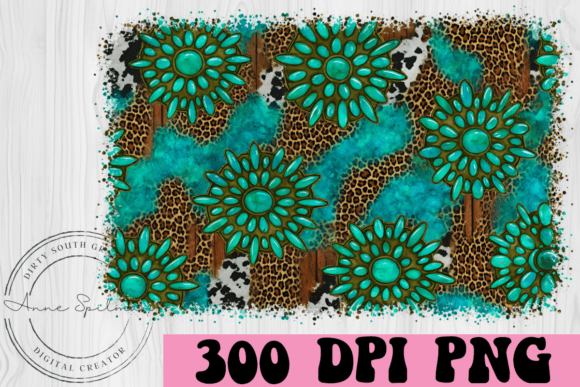
Western Turquoise Cheetah Cow Background
When I sit down to evaluate a new digital asset for my embroidery studio, I am rarely looking at just a pretty picture. I am looking at stitch potential. I am thinking about tension, thread breakage, fabric distortion, and the final tactile experience of the customer. Recently, I pulled up the Western Turquoise Cheetah Cow Background, a high-resolution graphic categorized under Illustrations and Graphics, to see if it had the legs to survive the hoop and the needle. After running through my standard pre-production checklist—checking contrast, density, and thematic fit—I have some strong thoughts on where this design shines and where it might trip you up.
The First Impression: Mood and Visual Personality
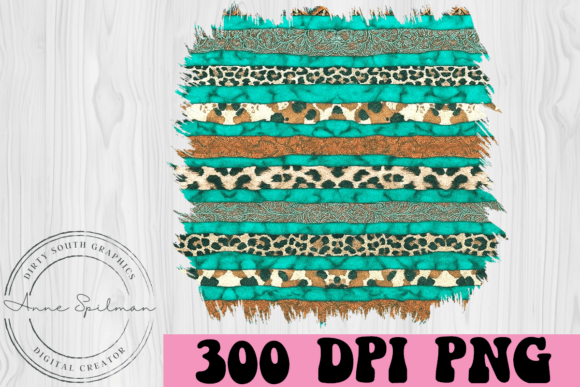
At first glance, the Western Turquoise Cheetah Cow Background is bold. It does not whisper; it announces itself with a vibrant, almost electric energy. The color palette relies heavily on turquoise, which is a fantastic choice for embroidery because it offers high visibility against neutral fabrics like denim, cream, or charcoal gray. However, the "cheetah" aspect introduces a patterned element that immediately raises questions about stitch complexity. Is this a solid fill? A detailed applique? Or a complex combination of stitches?
Visually, the layout feels dynamic. It suggests movement and a playful, modern twist on traditional western motifs. For an Etsy seller or a small business owner, this kind of unique visual personality is gold. It stands out in a sea of generic floral or text-based designs. But as a designer, my eye goes straight to the details. Does the cheetah pattern translate well into satin stitch columns? Will the turquoise hold its shape, or will it look muddy when stitched densely? The 300 dpi resolution mentioned in the product description assures me that the source file is crisp, which is the first step toward a clean digitization or direct printing process.
Real-World Application: Where This Design Fits Best
I believe this Western Turquoise Cheetah Cow Background finds its true home in specific niches of the handmade market. It is not a subtle, understated piece; it is a statement. Here is how I see it performing in actual production scenarios:
- Custom Tote Bags and Market Bags: This is perhaps the strongest use case. A sturdy canvas tote provides a stable surface for heavier stitching. The turquoise pops beautifully against natural canvas, creating a boutique-level aesthetic that appeals to young professionals and students. It works perfectly as a tote bag design for craft fairs or university bookstores.
- Sweatshirt Embroidery: For fall and winter collections, this graphic can be adapted for crewneck sweatshirts. The western theme pairs well with cozy textures. If treated as a central chest logo or a large back print, it adds a fun, edgy vibe to casual wear. It transforms a basic garment into a custom apparel piece that feels curated rather than mass-produced.
- Baby and Nursery Items: While the cheetah pattern is wild, the turquoise softens it significantly. I see this working well on baby onesies, burp cloths, or nursery wall art (if used as a printable mockup). The key here is scaling. If used on baby embroidery projects, the details must be simplified so they remain legible and safe for small items.
- Holiday Embroidery and Gifts: This design has a festive, quirky energy that fits well with themed gift-giving seasons. Imagine it on a kitchen towel for a housewarming gift or a decorative pillow cover for a guest room. It serves as a personalized gift option that feels personal yet universally appealing due to its bright colors.
Technical Considerations and Stitching Challenges
As much as I love the visual appeal, we must address the technical realities of turning this digital embroidery file concept into a physical reality. The description notes it is a transparent background PNG, which gives us flexibility, but the "cheetah" pattern implies detail that can be tricky.
Stitch Density and Hoop Size: If this design is intended to be stitched directly, the density of the cheetah spots could lead to issues on thinner fabrics. High stitch density on lightweight cotton can cause puckering. I strongly advise testing this on scrap fabric first. If the design requires a large hoop size to capture all the details, ensure your machine can handle the dimensions without requiring re-hooping, which often leads to alignment errors.
Fabric Texture and Contrast: The success of the turquoise depends entirely on the base fabric. On dark fabrics, the turquoise may lose its vibrancy unless a heavy underlay or white backing is used. On textured fabrics like burlap or heavy tweed, the fine details of the cheetah pattern may get lost. For the best results, stick to smooth, medium-weight fabrics like denim, twill, or high-quality cotton blends. This ensures the thread colors remain distinct and the satin stitch edges stay sharp.
Small Details and Lettering: If the design includes any text or very small graphical elements, be cautious. Small details often turn into blobs of thread after washing. If you are using this for an embroidered patch or a cap, ensure that any intricate parts are large enough to be recognized from a distance. For caps and curved surfaces, the design must be simplified to account for the curvature, otherwise, the perspective will look distorted.
Commercial Viability and Brand Consistency
For the Etsy seller or craft business owner, the question is always: "Will this sell?" The answer is yes, but with caveats regarding brand consistency. This design is loud and colorful. It fits well with brands that focus on fun, youthful, or eclectic aesthetics. It might not suit a minimalist, luxury, or corporate branding line.
However, its uniqueness is a selling point. Customers are tired of seeing the same clipart everywhere. By offering a Western Turquoise Cheetah Cow Background, you are offering something distinctive. This can increase buyer engagement and justify a higher price point for small shop products. When marketing these items, emphasize the handcrafted nature and the unique color palette. Use printable mockups to show customers how the turquoise looks on different items, such as aprons, tea towels, and pillow covers, to help them visualize the end result.
Final Designer Notes and Recommendations
Before you add this to your production queue, keep these practical tips in mind:
- Test Before You Commit: Always run a test stitch on the actual fabric you plan to use. Check for stabilizer compatibility and thread tension.
- Check Licensing: Ensure you have the right to use this design assets for commercial purposes. Many graphics are for personal use only. Confirm licensing before selling finished items or commercial embroidery projects.
- Inspect Small Details: Zoom in on the original image. Are the cheetah spots clear? If they are too fine, consider simplifying the design digitally before digitizing or stitching.
- Consider Applique Options: If the stitch count is too high, consider converting parts of the design into an applique design. Using turquoise felt or fabric for the main shapes can save time and reduce thread breaks while maintaining the visual impact.
- Black and White Mockups: Convert the design to grayscale to check contrast. If the turquoise and the cheetah pattern blend together in black and white, they might lack definition in color too.
In conclusion, the Western Turquoise Cheetah Cow Background is a versatile and eye-catching asset that can elevate a range of handmade products. It is not a simple, one-size-fits-all solution, but with careful planning and attention to fabric choice, it can produce stunning finished products that resonate with customers looking for something special. Treat it with respect, test thoroughly, and let its vibrant personality shine through in your work.