Set of 8 Western Theme Design Elements Review for Real Projects
As an experienced embroidery designer and product reviewer, I always look for design elements that not only catch the eye but also perform well in real-world applications. The Set of 8 Western Theme Design Elements caught my attention as a versatile graphic set aimed at crafters, small business owners, and creative entrepreneurs. Let me walk you through how this PNG-based design set holds up when it comes to practical use in machine embroidery projects.
First Impressions: A Wild West Vibe with Professional Polish
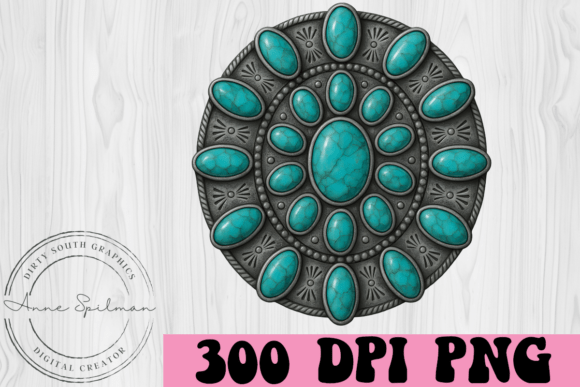
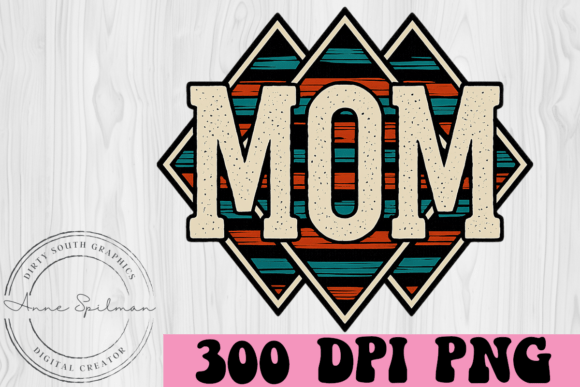
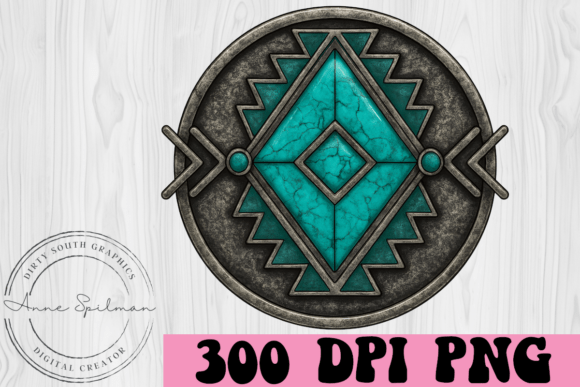
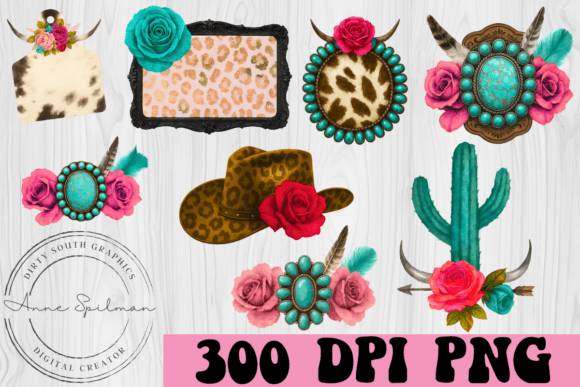
The first thing that stands out about the Set of 8 Western Theme Design Elements is its cohesive visual personality. Each element exudes a rugged, nostalgic charm typical of Western themes—think cowboys, horses, cacti, stars, and rustic typography. The color palette feels warm and grounded, which immediately tells me this would work best on lighter or neutral-toned fabrics where the hues can pop without being overwhelmed by the background.
I appreciate the transparent background; it gives me flexibility in placing the design elements on various fabric types and project layouts. The high resolution (300 dpi) ensures that even when printed or used as part of a digital mockup, the details remain crisp. At over 8 inches in size (2500+ pixels per side), these graphics are generous enough for most apparel and accessory projects without needing excessive scaling.
Real-Life Embroidery Use Cases
When considering how these design elements might translate into actual embroidery, the possibilities are broad. Here’s how they could fit naturally:
- Custom Apparel: These designs could add flair to sweatshirts or t-shirts for a boutique line or personalized gifts. The larger scale works especially well for backdrops or central motifs.
- Tote Bag Designs: The bold imagery and clear outlines make them ideal for tote bags, where visibility from a distance is key. A stylized horse or a desert scene could become a signature piece for your shop.
- Baby Embroidery: While the Western theme isn’t traditionally associated with baby items, a softer version using one or two elements—like a tiny star or a subtle silhouette—could work beautifully on a onesie or blanket.
- Holiday Gifts: With some tweaks, like adding seasonal text or wrapping paper textures, these graphics could be reimagined for holiday-themed embroidered pillows or aprons.
- Embroidered Patches: If you're planning to turn individual elements into patches, the clean edges and recognizable shapes will stitch well and stand out on denim jackets or backpacks.
- Pillow Covers and Tea Towels: The detail level is rich enough for home décor items like pillow covers or kitchen towels, especially if you’re going for a statement look rather than minimalism.
- Printable Mockups: As a PNG image set, these are excellent for creating digital previews of finished products. They’ll integrate smoothly into printable mockups for Etsy listings or social media promotions.
- Craft Fair Products: For makers selling handmade goods at local markets, these designs can elevate simple items like mugs, aprons, or leather wallets with a touch of Americana style.
- Commercial Embroidery: If you're working with clients looking for themed merchandise—whether for a Western bar, a rodeo event, or a country-themed wedding—the versatility here is strong.
Where Caution Is Needed
While the Set of 8 Western Theme Design Elements is visually appealing and adaptable, there are scenarios where it may require extra attention:
- Small Hoop Sizes: Because the design is relatively large, attempting to resize it too much can compromise clarity and stitch definition. Always test on scrap fabric before committing to a smaller hoop.
- Textured Fabrics: The intricate lines and shading may not render clearly on materials like canvas or flannel. You might need to adjust stitch density or choose bolder sections of the design.
- Stretchy or Thin Fabric: Delicate fabrics such as jersey or thin cotton can distort under the weight of dense embroidery. Consider simplifying the layout or using stabilizer to prevent puckering.
- Dark Backgrounds: On darker fabrics, the colors may lose contrast. Testing the design in black and white is a smart move to ensure readability and visual impact.
- Curved Surfaces: Placing these elements on curved surfaces like caps or hats could lead to distortion unless carefully mapped out. Break the design into smaller parts if necessary.
- Detailed Corners: The corners of some elements are quite detailed. These areas might require special handling during digitization to avoid gaps or uneven stitching.
- Frequent Washing: If you plan to use these on items like baby clothes or kitchen towels, consider the durability of thread colors and the type of stabilizer used to prevent fraying over time.
Design Impact and Project Value
Using the Set of 8 Western Theme Design Elements adds immediate visual appeal to any project. The thematic consistency across all eight pieces means you can mix and match elements to build a layered, dimensional feel—perfect for creating unique custom apparel or home décor.
In terms of stitching clarity, the design performs admirably when applied correctly. The lines are sharp and intentional, allowing for clear satin stitch borders and controlled fill stitch areas. This makes the final product look professional, which is essential for building customer trust and enhancing product value.
For handmade product sellers, the presence of a well-executed Western motif can increase giftability and recognition. It helps establish a niche brand identity, especially if you're targeting audiences who love cowboy culture, outdoor lifestyles, or vintage aesthetics.
Professional Designer Notes
Here are a few practical tips I’ve picked up over the years when working with similar design sets:
- Test on Scrap Fabric First: Before applying the design to a client's item or a batch of products, run a trial on similar material. This helps catch issues with stitch flow or fabric tension early.
- Check Thread Color Contrast: Even though the design comes in color, always evaluate how the chosen thread colors interact with your fabric. Sometimes, a single dominant color or a simplified palette yields better results.
- Review Stitch Density: Especially for fill stitch areas, check whether the density looks good without overwhelming the fabric. Too much stitch density can cause puckering, while too little can leave holes.
- Confirm Hoop Size: Since the design is large, ensure your hoop can accommodate it without stretching. If not, break the design into sections or scale down thoughtfully.
- Inspect Small Details: Look closely at the finer lines and patterns within each design. Some elements may need reinforcement or slight redigitizing for optimal performance.
- Use Proper Stabilizer: Depending on your fabric choice, use cutaway, tearaway, or wash-away stabilizers accordingly. This is crucial for maintaining shape and preventing distortion.
- Consider Licensing: If you're planning to sell finished products or even digital files based on this design, make sure to confirm the licensing terms. Many PNG illustrations aren't intended for commercial reproduction without explicit permission.
Final Thoughts
The Set of 8 Western Theme Design Elements is a solid addition to any embroiderer's toolkit, especially those in the craft business or Etsy seller community. Its blend of detail and theme offers creative freedom while staying true to the classic Western aesthetic. When used appropriately—on suitable fabrics and with proper technique—it enhances the professionalism and uniqueness of your embroidery project.
However, as with any machine embroidery design, success depends on thoughtful application. Take time to understand how each element behaves in different contexts and don’t hesitate to modify it for specific needs. Whether you're making a sweatshirt embroidery for a boutique or designing personalized gifts for a customer, these elements offer a strong foundation—but the finishing touches are up to you.
If you're looking for a way to bring a bit of the frontier into your next embroidered patch or small shop product, this set is worth exploring. Just remember: every design has its limits, and knowing when to push or simplify is what separates good embroidery from great.