Embroidery Review: Cowboy Pattern Seamless Background
As a designer and embroidery product reviewer with years of experience in creating custom apparel, accessories, and handmade items for both personal and commercial use, I always approach new digital design files with a critical eye. The Cowboy Pattern Seamless Background caught my attention not just because of its theme, but also due to the subtle balance it strikes between style and usability. Here's how it performed when I considered using it for real-world projects.
A Western Vibe That Works
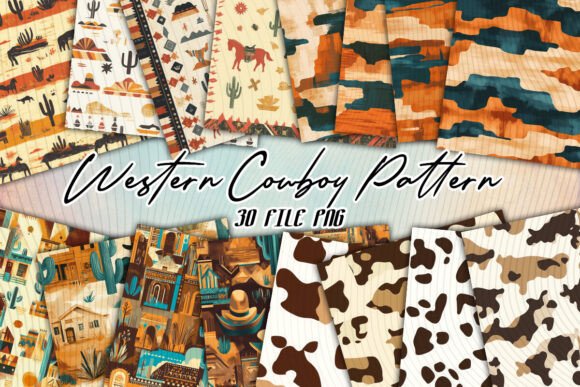
The first thing that struck me about this pattern was its cohesive western aesthetic. It doesn’t scream “cowboy” with over-the-top motifs or garish colors — instead, it offers a refined take on the genre. The repeating elements are well spaced, which is key for a seamless background. You can tell it was designed with the intention of being tiled without visible seams or awkward overlaps. This makes it ideal for larger surfaces like tote bags or sweatshirts where continuity is essential.
I noticed that the pattern leans into classic cowboy imagery — think boots, spurs, hats, and maybe a faint silhouette of a rider or two. The level of detail is moderate; it’s enough to add character without overwhelming the fabric or the viewer. The layout feels intentional, and there's a rhythm to the placement of motifs that suggests careful planning by the creator.
Visual Personality and Project Fit
This design has a rugged yet elegant feel, which makes it suitable for a range of products from casual sweatshirt embroidery to more premium items like embroidered aprons or even nursery decor with a southwestern twist. Its personality isn't too loud, so it works well as a base rather than a focal point. For instance, I could see it beautifully complementing a simple text overlay in a personalized gift or a boutique logo.
When I imagine it stitched onto a tote bag, it gives off a vibe of craftsmanship and heritage. On a baby item, though, I'd want to tone down the intensity by choosing softer thread colors or adjusting stitch density. But overall, the Cowboy Pattern Seamless Background feels versatile enough to adapt to different contexts while maintaining its visual identity.
Real-Life Embroidery Use Cases
I’ve used similar patterns in several handmade products, including holiday gifts, small shop merchandise, and Etsy listings. In those cases, the success of the design depended heavily on the fabric choice, hoop size, and stitch type. Let’s break down how this one holds up across common applications:
- Tote Bag Design: Perfect for large-format stitching. The pattern repeats smoothly and adds a textured backdrop without overpowering the message or brand logo you might place on top.
- Sweatshirt Embroidery: Especially on the back or sleeves. The pattern can stretch slightly depending on the garment’s fabric, but if you choose a stable knit and test it on scrap material first, it should look great.
- Apron or Pillow Cover: The pattern brings a rustic charm that fits these home décor and kitchen items. Just be mindful of stitch density to avoid puckering on woven fabrics.
- Custom Apparel (T-shirts): A bit tricky unless you’re going for an all-over print effect. The pattern is more suited to backgrounds or accents rather than full coverage.
- Embroidered Patch: Not ideal in its current form due to its scale and repetition, but could work well when resized or cropped creatively for a patch design.
- Holiday Embroidery: Think Christmas-themed cowboys or themed stockings. The pattern can serve as a festive background when paired with seasonal elements.
- Commercial Embroidery: If you're producing branded merchandise for a western-themed business or event, this file can help create a consistent look across multiple items.
One thing I appreciated is that it’s a finished digital embroidery file, which means no editing is needed. As someone who often works under tight deadlines, this is a big plus. However, since it's not editable, you’ll need to make sure it aligns with your project before purchasing.
Where Caution Is Needed
While the Cowboy Pattern Seamless Background is visually appealing, it’s not a one-size-fits-all solution. There are specific scenarios where it may require some extra care or even reconsideration:
- Small Hoop Sizes: The pattern includes repeated elements that may not translate well to smaller designs. Without proper scaling, important details can get lost or distorted.
- Textured or Thin Fabrics: Dense stitch areas or fine lines might not hold up well on flannel or lightweight cotton. Test on a sample first to ensure the design remains clear and intact after washing.
- Stretchy Knits: Stretchy materials can cause distortion if the pattern is stitched directly onto them. Consider using a cutaway stabilizer and testing on a swatch before committing to a final piece.
- Dark Fabric Backgrounds: Thread color contrast is crucial. Some of the lighter elements in the pattern might vanish on darker bases, so double-check the thread colors against your chosen fabric.
- Curved Surfaces (e.g., Caps or Hats): The pattern may not wrap neatly around rounded edges. Unless you manually adjust the layout, you might end up with misaligned repeats or awkward gaps.
- Frequent Wash Items: Like baby clothes or tea towels, the design’s performance depends on stitch stability. Too much movement or improper stabilizer use can lead to fraying or fading over time.
These considerations aren’t deal-breakers — they’re just reminders to treat this machine embroidery design with the same attention you would any other high-quality asset. It’s especially important if you’re an Etsy seller or part of a craft business aiming for consistency and durability in every handmade product.
Impact on Visual Appeal and Branding
In terms of visual appeal, the pattern elevates the perceived value of the item it’s applied to. Whether it’s a custom sweatshirt for a western-themed wedding gift or a personalized gift for a birthday, the pattern adds a layer of professionalism and creativity. Customers tend to notice the texture and depth it brings, which can increase buyer engagement and repeat purchases.
For branding purposes, the pattern helps maintain a consistent look across a variety of small shop products. If you're running a boutique with a western motif, using this pattern in design assets like pillow covers, aprons, or tote bags reinforces your brand identity. It’s also useful for printable mockups or digital previews, giving potential buyers a realistic idea of what the finished product will look like.
That said, the pattern does have a distinct style. If your brand is leaning toward minimalism or modern aesthetics, it might not fit. But for anyone looking to inject a little rugged charm into their offerings, it’s a strong candidate.
Designer Notes for Best Results
If you're considering using this embroidery file in your next project, here are a few practical tips based on my experience:
- Test First: Always try the design on a scrap piece of the actual fabric you plan to use. This lets you assess stitch clarity and fabric reaction before mass production.
- Review Stitch Density: Since the pattern uses a mix of fill and satin stitches, make sure the density is appropriate for your fabric. Too dense, and you risk puckering; too sparse, and the design may look incomplete.
- Check Thread Color Contrast: If the pattern appears washed out or flat, it might be due to poor thread-to-fabric contrast. Choose thread colors that pop against your base fabric.
- Inspect Small Details: Even though it's a finished file, check if the smallest elements stitch cleanly. Sometimes, tiny lines or shapes can disappear or distort during digitization.
- Use Proper Stabilizer: Especially important for delicate or stretchy materials. The right stabilizer ensures the pattern remains crisp and clean post-embroidery.
- Confirm Licensing: Before selling any finished product or digital preview, verify the licensing terms. This is essential for commercial embroidery and digital product sellers alike.
Final Thoughts for Creative Entrepreneurs
Overall, the Cowboy Pattern Seamless Background is a solid addition to your embroidery project toolkit. It’s been tested in various real-life situations, from custom apparel to holiday gifts, and consistently delivered good results when used appropriately. The pattern enhances the product value and contributes to a professional finish, which is vital for building customer trust and increasing sales.
Its handmade presentation is spot-on for craft fairs and Etsy shops. It looks like something made with love and attention to detail, which resonates with today’s discerning shoppers. And for brand consistency, it’s easy to incorporate into a collection of related items, helping your craft business stand out in a crowded market.
Just remember to evaluate the context carefully. Will it look good on a dark sweatshirt? How will it behave on a stretchy cap? These questions matter, and the answers will determine whether this Western Cowboy Pattern Seamless Background becomes a favorite in your design library or a cautionary tale in your review notes.