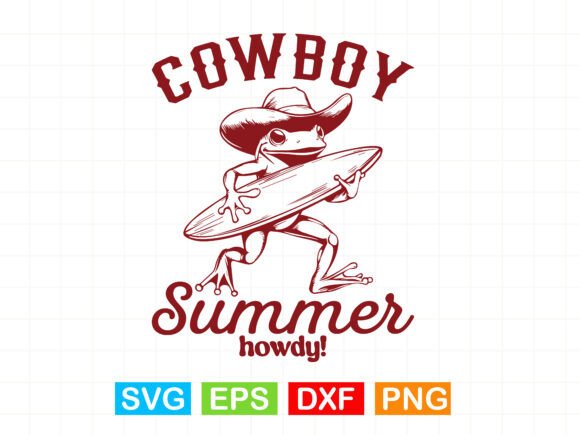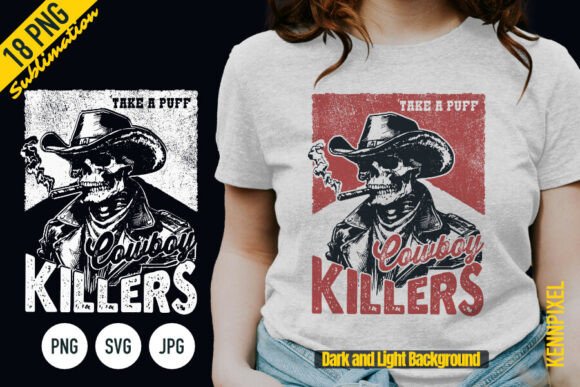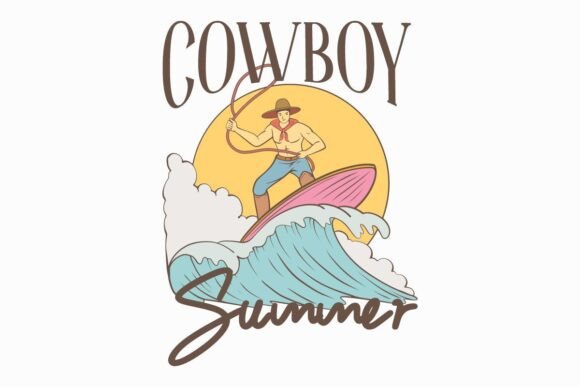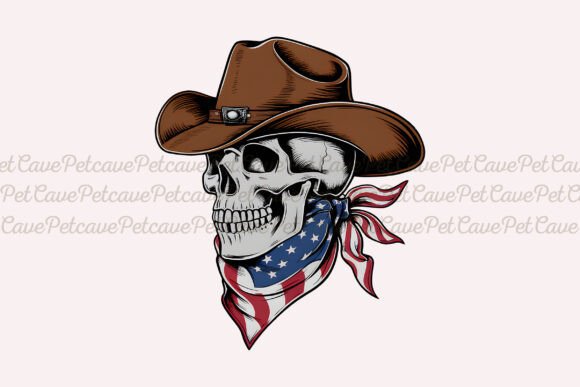
Cowboy Sublimation Design Review
When I first pulled up Cowboy Sublimation Design, my immediate reaction was less about the technical specs and more about the vibe. As someone who spends hours staring at digitized files, trying to predict how a flat digital image will translate into three-dimensional thread, I look for designs that have character without being overly complex. This design strikes a balance that is increasingly rare in the current market of mass-produced graphics. It feels rugged yet refined, which is exactly what you need when you are aiming for that high-end handmade aesthetic that customers on platforms like Etsy or local craft fairs are willing to pay a premium for.
The term "sublimation" in the title can sometimes be misleading for embroidery designers. While this is technically a graphics asset intended for dye transfer, its visual language translates surprisingly well into textile art. The bold lines and distinct shapes suggest a strong foundation for conversion into a machine embroidery design. It has the structural integrity to hold up as an embroidery project without losing its identity when stitched out. For those of us in the business of creating custom apparel, having a source file with such clear definition is a huge advantage during the digitizing process.
First Impressions and Visual Personality
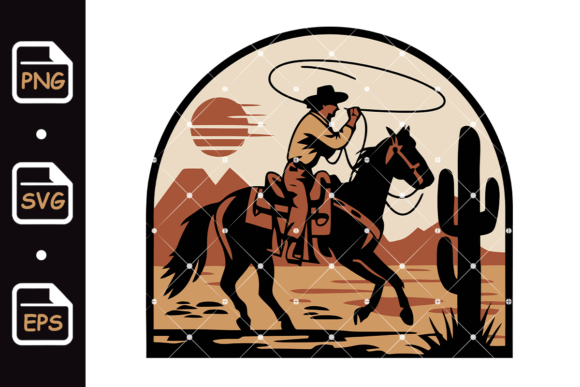
The mood of Cowboy Sublimation Design is unmistakably Western, but it avoids the cliché traps that often plague cowboy-themed artwork. It doesn’t rely on cluttered backgrounds or excessive detail that would turn into a muddy mess under the needle. Instead, it uses negative space effectively. This is crucial because, in embroidery, what you leave out is just as important as what you stitch. The layout feels balanced, suggesting that whether placed on the left chest of a polo shirt or centered on the back of a hoodie, it will command attention without overwhelming the garment.
I found myself immediately thinking about where this could live in a real product line. It screams sweatshirt embroidery. Imagine a heavyweight charcoal heather crewneck with this design executed in thick, plush threads. The contrast between the rough texture of the fabric and the smooth finish of the stitching would elevate the piece from a basic gift item to a boutique-quality staple. It also works beautifully as an embroidered patch that can be sewn onto denim jackets or canvas bags, adding a layer of durability and style that appeals to both men and women who appreciate classic Americana aesthetics.
Real-World Application: From Screen to Stitch
Let’s talk about practicality. If I were preparing a batch of products for the holiday season, how would this design perform? I recently worked on a custom order for personalized aprons, and I realized that Cowboy Sublimation Design would fit perfectly there too. The theme resonates with kitchen culture, especially for barbecue enthusiasts or home cooks who enjoy a rustic decor vibe. When digitized correctly, the design elements can be broken down into manageable sections, allowing for varied thread textures. You might use a dense fill stitch for the main body of the graphic to give it weight, while employing a satin stitch for outlines to provide crisp edges.
This versatility makes it an excellent choice for Etsy sellers looking to diversify their inventory. A single strong design concept can be adapted across multiple product categories. We are talking about everything from baby embroidery onesies (perhaps scaled down and softened in color palette) to sturdy workwear caps. The adaptability of the source material means you aren't locked into one specific outcome. You can experiment with different thread colors to match seasonal trends—warm earth tones for autumn, bright primaries for summer festivals, or monochromatic schemes for a modern, minimalist look.
Furthermore, the design’s clarity ensures it reads well even when viewed from a distance. In a crowded craft fair booth, your products need to grab attention instantly. A design with weak lines or ambiguous shapes gets lost. Cowboy Sublimation Design has a strong silhouette. Even if a customer glances at it quickly, the subject matter is clear. This visual recognition factor is key to driving impulse buys, especially for personalized gifts where the buyer wants something that feels thoughtful and distinctive.
Where to Exercise Caution
However, no design is perfect for every application, and as a reviewer, I have to point out where this might struggle. The primary concern lies in small hoop sizes. If you attempt to digitize this for a tiny 4x4 inch hoop, some of the finer details may get lost or require aggressive simplification. Tiny lettering or intricate background elements that might exist in the original sublimation file could become indistinguishable blobs of thread. Always inspect small details before committing to production.
Another area to watch is fabric texture. Embroidery relies on stability. If you plan to stitch this onto a highly textured fabric like bouclé or a very thin, sheer material, you will likely encounter puckering or distortion. The design needs a stable base to shine. This means selecting the right stabilizer is non-negotiable. For stretchy fabrics like jersey knits used in t-shirts, a cut-away stabilizer is essential to prevent the design from warping after washing. Similarly, on curved surfaces like baseball caps, the curvature can distort straight lines. You may need to adjust the hooping technique or add extra anchoring stitches to keep the design looking professional.
Technical Considerations for the Designer
Before rushing into production, there are several technical checks every designer should perform. First, test the design on scrap fabric that matches your final product in weight and composition. This helps you gauge how the stitch density interacts with the material. Is the fabric too stiff? Too loose? Adjust your settings accordingly.
Next, review the color palette. Since this originated as a sublimation graphic, it likely contains gradients or subtle color shifts that do not translate directly to thread. Thread has a limited range of opacity compared to ink. You will need to make decisions about how to represent shadows and highlights. Sometimes, using a contrasting thread color for shading can create a striking effect, while other times, sticking to solid blocks of color yields a cleaner, more modern look. Don't be afraid to simplify. A reduced color count often results in faster stitching times and a more durable finished product.
It is also wise to check the licensing terms. While the visual content is appealing, ensure you have the commercial rights to sell physical items made from this design. Many digital assets come with restrictions on print-on-demand services or require attribution. Clarifying these terms upfront protects your craft business from potential legal issues later on.
Final Verdict
Cowboy Sublimation Design is a robust, visually engaging asset that offers significant potential for creative entrepreneurs. Its strength lies in its clarity and thematic appeal, making it suitable for a wide range of handmade products. Whether you are creating commercial embroidery for a local brand or designing unique pieces for your own online shop, this design provides a solid foundation for success.
By paying attention to the technical nuances—hoop size, fabric choice, and digitization quality—you can transform this digital graphic into a tangible product that customers love. It bridges the gap between traditional western charm and contemporary design sensibilities. For designers who value practicality and aesthetic impact, this is a worthwhile addition to your design assets library. Just remember to test thoroughly, choose your materials wisely, and let the quality of your execution speak for itself. When done right, the result is not just an embroidered item, but a statement piece that reflects professionalism and care.