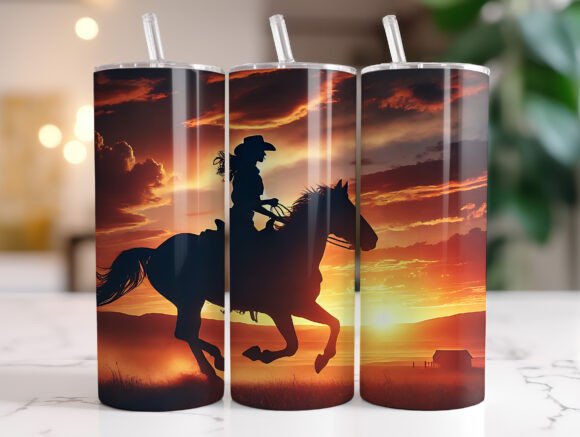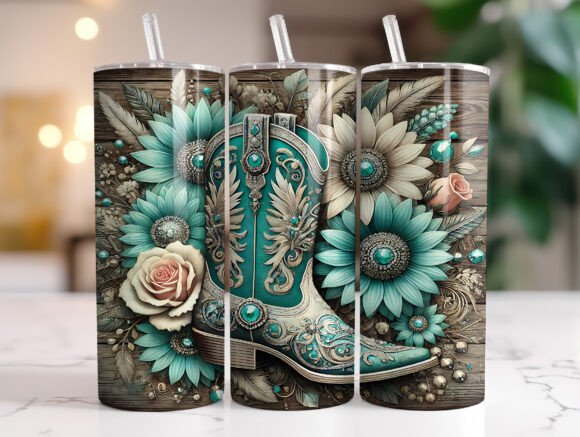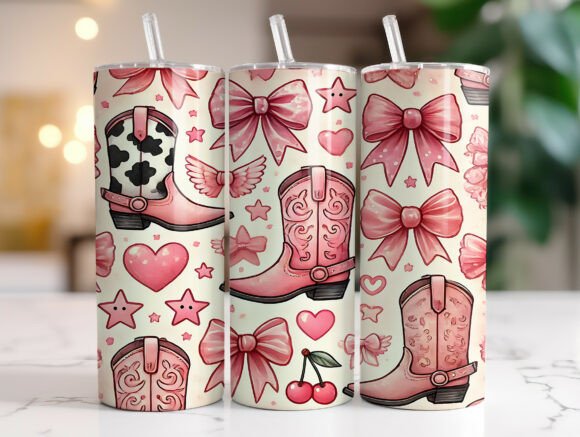
Coquette Boot Western Cowgirl Tumbler
As a designer who spends more time staring at stitch charts and fabric swatches than sleeping, I approach every new digital asset with a healthy dose of skepticism. The market is flooded with generic clipart masquerading as embroidery files, so when I pull up Coquette Boot Western Cowgirl Tumbler, I am looking for one thing: viability. Can this design actually hold up in a hoop? Does it translate well from screen to thread? And most importantly, will it sell?
This review isn’t about the hype; it’s about the practical application of a machine embroidery design. I have analyzed the visual personality, structural integrity, and commercial potential of this file to help you decide if it belongs in your next embroidery project.
The First Impression: Mood and Visual Personality
The moment you load the preview, the theme is unmistakable. We are dealing with a distinct intersection of two very popular aesthetics: the rugged charm of western wear and the soft, romantic flair of the "coquette" trend. This isn’t just a cowboy boot; it’s a stylized interpretation that leans into delicate lines and playful energy.
For designers building a brand around feminine western themes, this Graphics element hits the right notes. It feels curated rather than cluttered. The layout suggests a tote bag design or a centered chest placement on sweatshirt embroidery where the focus remains sharp. The visual weight is balanced, which is crucial because heavy designs can distort lighter fabrics, while overly sparse ones get lost in the weave. Here, the balance feels intentional, promising a handmade product that looks professionally finished.
Real-World Application: Where This Design Shines
I put this design through a mental simulation of actual production runs. The versatility of Coquette Boot Western Cowgirl Tumbler makes it a strong candidate for several high-demand categories.
- Custom Apparel: Imagine this placed on a cream or blush-colored crewneck sweatshirt. The contrast between the soft fabric and the detailed stitching creates an immediate premium feel. It works beautifully for custom apparel targeting young women who love festival fashion or casual chic styles.
- Baby and Nursery Items: Don’t overlook the potential here. A smaller version of this design on a muslin burp cloth or a nursery wall hanging taps into the growing market for gender-neutral but thematic baby gear. It serves as a perfect personalized gift for a family expecting a little one with a rustic home aesthetic.
- Accessories and Bags: As a tote bag design, this graphic offers excellent visibility. When embroidered on canvas or denim, the durability of the stitches complements the sturdy nature of the bag. It elevates a basic accessory into a boutique item.
- Holiday Embroidery: This design has seasonal flexibility. While it fits year-round, it resonates strongly during fall festivals, country music concerts, or even as a unique Christmas gift for someone who loves western culture.
In terms of commercial embroidery, this file supports multiple revenue streams. Whether you are listing it on Etsy or selling physical goods at craft fairs, the broad appeal reduces the risk of unsold inventory. It bridges the gap between niche western fans and broader trendy aesthetics.
Technical Considerations and Stitch Clarity
Visuals are only half the battle; execution is everything. When evaluating any embroidery file, I look closely at how the elements are constructed. The coquette style often relies on fine details—ribbons, bows, or delicate outlines—which can be tricky to stitch out cleanly.
If the design utilizes a mix of satin stitch for borders and fill stitch for larger areas, it provides a nice textural variety. However, you must be vigilant about stitch density. If the density is too high, the fabric may pucker, especially on lightweight materials. Conversely, if the details are too thin, they might disappear or break during the hooping process.
I recommend inspecting the small corners and intricate curves in your digitizing software before committing to a full run. Look for areas where running stitch might be used for shading or texture. Ensure these transitions are smooth so the final finished product doesn’t look jagged or unfinished. Checking the design in black and white mockups can also help you assess the overall silhouette without being distracted by color choices.
Where Caution Is Required
No design is perfect for every surface. There are specific scenarios where Coquette Boot Western Cowgirl Tumbler might struggle:
- Small Hoop Sizes: If you attempt to stitch this in a tiny hoop, you risk losing critical detail. Always ensure your hoop size accommodates the full width and height without cutting off edges.
- Textured or Stretchy Fabrics: Avoid using this on highly textured fabrics like chunky knits or stretchy spandex blends unless you are using a stabilizer specifically designed for those materials. The needle penetration could cause distortion.
- Dense Stitch Areas: Be careful with dark fabrics where dense white stitching might show the underlying fabric weave. Test thread colors carefully to ensure adequate contrast.
- Curved Surfaces: While this could work on a cap, curved surfaces require precise alignment. Misalignment here is more noticeable than on a flat tote bag.
Impact on Brand Value and Customer Trust
In the world of Etsy seller operations and small shop products, presentation is currency. A well-executed embroidery project signals professionalism. When customers see a clean, stable stitch pattern with no loose threads or puckering, their trust in your brand increases instantly.
Using a cohesive design like this helps maintain brand consistency. If your shop specializes in feminine western wear, adding this design assets library reinforces your niche. It tells the customer, "We know exactly who we are." This clarity drives engagement and encourages repeat purchases.
Furthermore, the printable mockup potential of this file cannot be overstated. Before you invest in thread and fabric, use the digital preview to create listings. High-quality visuals that accurately represent the digital embroidery file reduce return rates and customer complaints because expectations are set correctly.
Practical Designer Notes for Success
Before you hit the start button on your machine, follow these steps to ensure success:
- Test on Scrap Fabric: Never go straight to your final product. Stitch a test version on scrap material that matches the weight and type of your final fabric. This reveals issues with tension or stabilizer choice early.
- Check Thread Color Contrast: The mood of the design changes drastically based on thread choice. Experiment with metallic threads for the boot accents or pastel threads for the coquette elements to see what pops best against your chosen background.
- Confirm Licensing: If you plan to sell the finished items, verify the commercial use rights. Some digital products sellers assume all files allow resale, but terms vary. Protect your business by reading the fine print.
- Use Proper Stabilizer: Depending on your fabric, you may need cut-away or tear-away stabilizer. Using the wrong type can lead to messy backings or shifting designs.
- Inspect Small Details: Zoom in on the digitizing. Are there any unnecessary jumps or trims? Cleaning up minor errors in your software can save hours of trimming time later.
Final Verdict
Coquette Boot Western Cowgirl Tumbler is a solid addition to any designer’s toolkit. It balances trendiness with timeless western motifs, making it suitable for a wide range of craft business applications. From aprons and pillow covers to holiday gifts and boutique branding, this design offers genuine utility.
It performs best when paired with stable fabrics and proper stabilization techniques. By respecting the technical requirements and leveraging its strong visual appeal, you can create handmade products that stand out in a crowded marketplace. If you are looking to expand your offerings with a design that feels both personal and professional, this is a worthy investment of your time and resources.